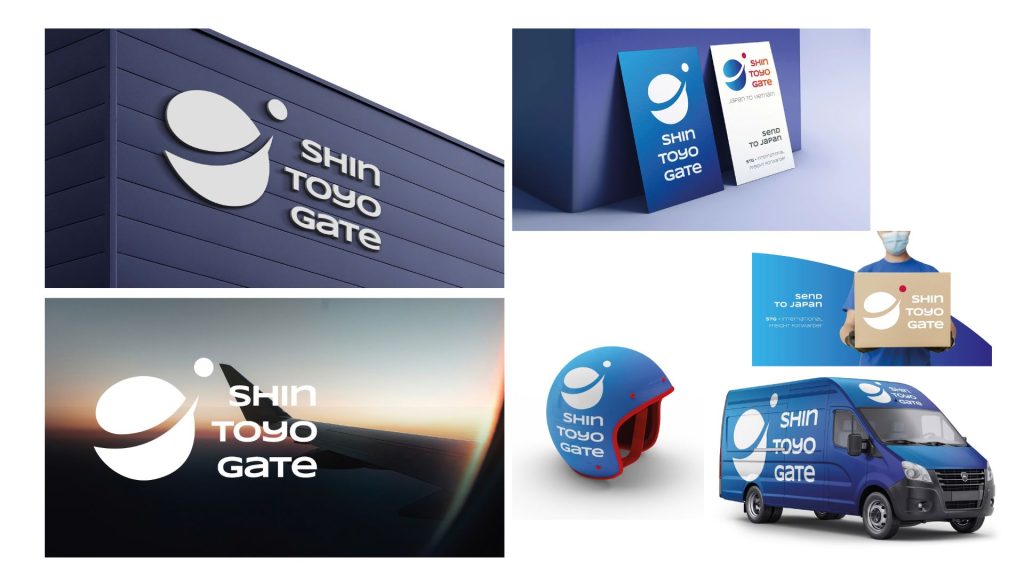





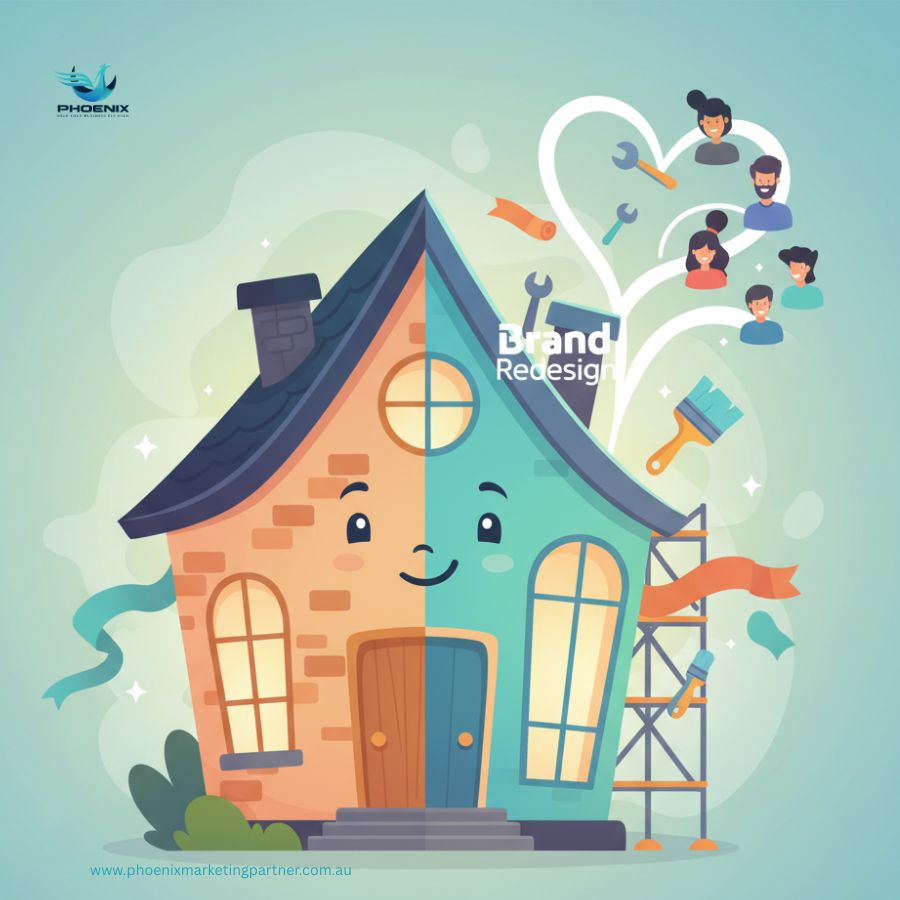
In business, a brand must not only be sustainable but also stay fresh to remain relevant. Brand redesign is like giving your brand a “new outfit” preserving its core essence while adapting to modern trends, making it easier to connect with today’s customers.
1/ What is brand redesign?
Brand refresh or brand redesign is the process of renewing a brand’s visual identity to match current needs, development trends, and customer expectations. It aims to present a brand image that resonates with both existing and target customers.
The creative redesign focuses on visual elements such as refreshing the logo, adjusting colors, typography, and communication materials. This change does not alter the brand’s core values or essence.
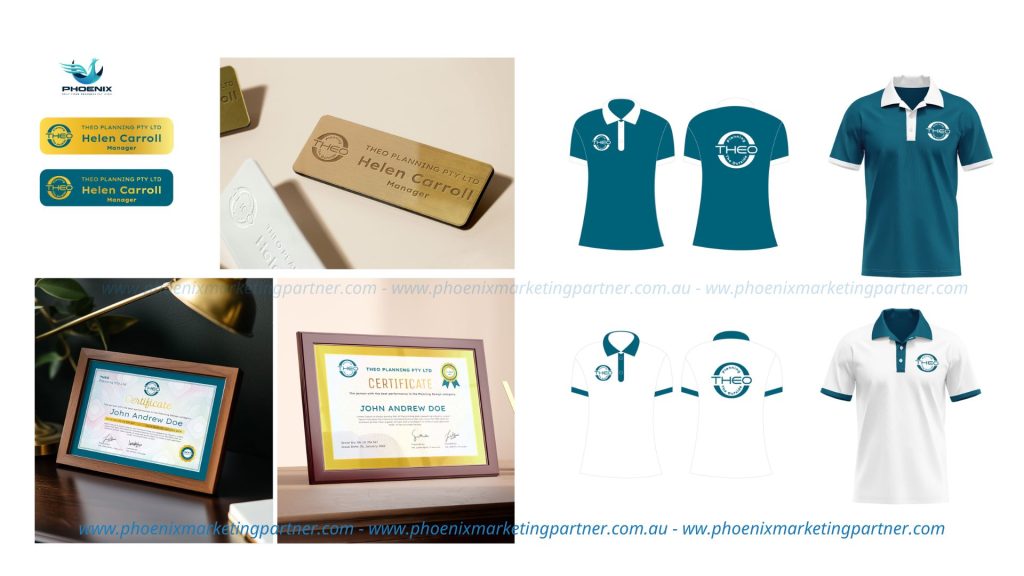
The goal of a brand redesign is to ensure relevance with social development and evolving customer preferences, while removing outdated or obsolete elements that no longer fit modern aesthetics. Simply put, it’s like tailoring a new, stylish, well-fitted outfit for your “growing child.”
2/ When do you need a brand redesign?
A brand is an intangible asset, but like a human being, it needs renewal to stay alive and vibrant.

Below are clear signs that it’s time for a new look:
- Outdated, uninspiring visuals: While brand identity can endure, colors, typography, and imagery cannot remain stagnant. A logo “faded by time” or a dull website interface can make customers leave in seconds.
- The original design was only temporary: Many businesses start with limited budgets and settle for a “good enough” identity. But as the brand grows, that lack of refinement becomes a weakness, hindering market expansion and trust-building.
- Shifts in your customer base: Expanding into new market segments requires adjustments that make the brand relatable and attractive. If you keep “speaking the old language,” new customers won’t feel a connection.
- A rapidly evolving market: In industries like technology, fashion, or digital media, trends change daily. A brand that fails to update risks being left behind in the fierce “experience race.”
- Business growth demands brand growth: As your company expands its products, services, or markets, the brand identity should reflect its new stature while maintaining familiarity for long-term customers.
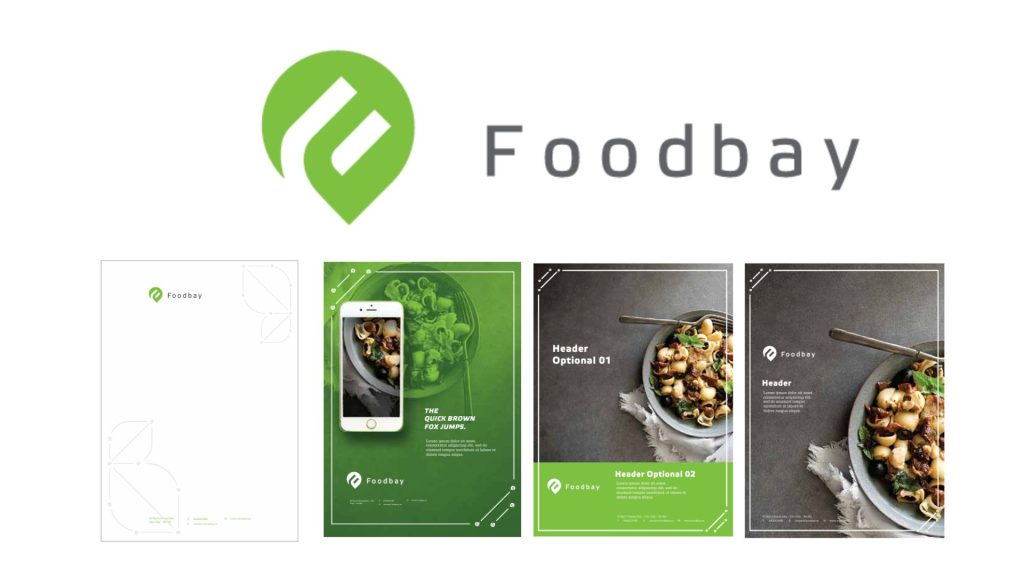

Examples of brand redesigns:
- In 2011, Starbucks removed the circular text from its logo, leaving only the iconic green siren.
- Pepsi has redesigned its logo more than 10 times. The latest version (2023) features bolder colors, a sharper red-blue-white wave, and a strong black “Pepsi” wordmark.
- Apple’s logo once depicted Isaac Newton, later replaced in 1977 by the bitten apple with rainbow stripes.
- Vinamilk introduced a new logo in 2023 with a modern handwritten-style font, minimalistic yet youthful, along with “Est 1976” to emphasize the brand’s enduring value.
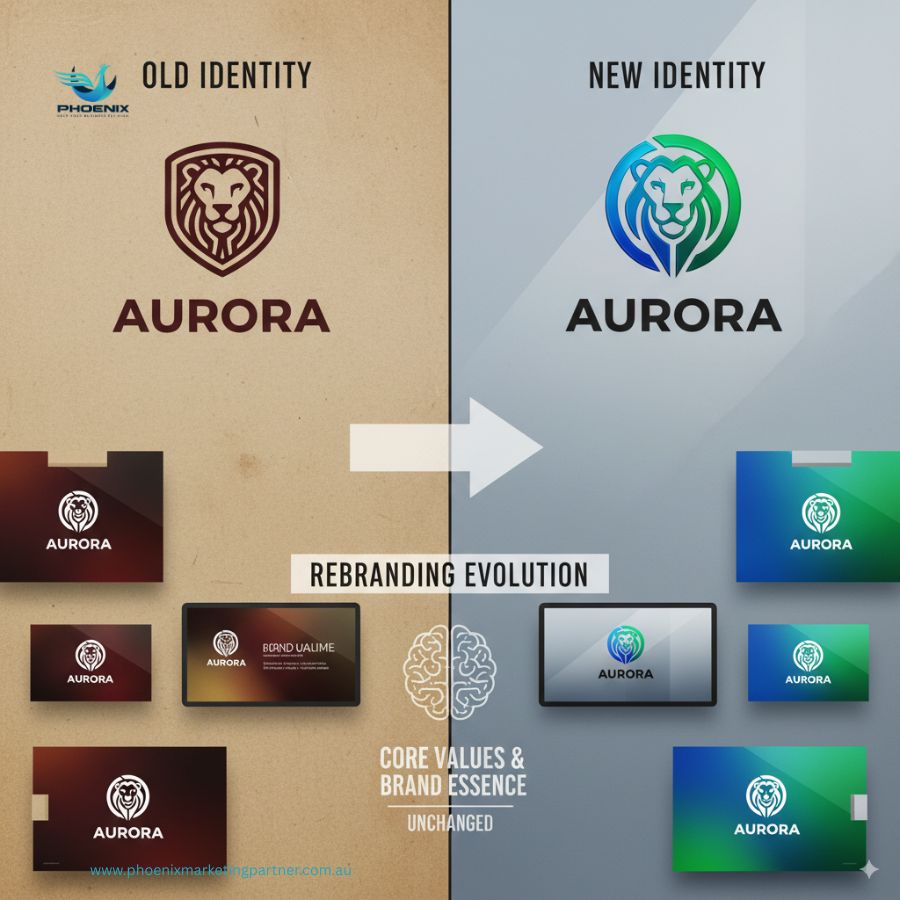
Brand redesign is not a whimsical change but a strategic move to keep the brand vibrant and connected with customers. It is like “refreshing” the interface of a familiar home the essence, structure, and spirit remain intact. The right amount of change brings a fresh, modern feeling while preserving familiarity. By maintaining its core identity, a brand can affirm its position, expand opportunities, and build long-lasting trust.